For better friendships, be a better friend yourself!

Making a new friend is just the beginning of the journey. Friendships take time to form and even more time to deepen, so you need to nurture that new connection.

  • Be the friend that you would like to have. Treat your friend just as you want them to treat you. Be reliable, thoughtful, trustworthy, and willing to share yourself and your time.
  • Be a good listener. Be prepared to listen to and support friends just as you want them to listen to and support you.
  • Give your friend space. Don’t be too clingy or needy. Everyone needs space to be alone or spend time with other people as well.
  • Don’t set too many rules and expectations. Instead, allow your friendship to evolve naturally. You’re both unique individuals so your friendship probably won’t develop exactly as you expect.
  • Be forgiving. No one is perfect and every friend will make mistakes. No friendship develops smoothly so when there’s a bump in the road, try to find a way to overcome the problem and move on. It will often deepen the bond between you.

Making Good Friends!

Looking to build new friendships? These tips can help you meet people, start a conversation, and cultivate healthy connections that will improve your life.

Why are friends so important?

Our society tends to place an emphasis on romantic relationships. We think that just finding that right person will make us happy and fulfilled. But research shows that friends are actually even more important to our psychological welfare. Friends bring more happiness into our lives than virtually anything else.

Friendships have a huge impact on your mental health and happiness. Good friends relieve stress, provide comfort and joy, and prevent loneliness and isolation. Developing close friendships can also have a powerful impact on your physical health. Lack of social connection may pose as much of a risk as smoking, drinking too much, or leading a sedentary lifestyle. Friends are even tied to longevity. One Swedish study found that, along with physical activity, maintaining a rich network of friends can add significant years to your life.But close friendships don’t just happen. Many of us struggle to meet people and develop quality connections. Whatever your age or circumstances, though, it’s never too late to make new friends, reconnect with old ones, and greatly improve your social life, emotional health, and overall well-being.

The benefits of friendships!

While developing and maintaining friendships takes time and effort, healthy friendships can:

  • Improve your mood. Spending time with happy and positive friends can elevate your mood and boost your outlook.
  • Help you to reach your goals. Whether you’re trying to get fit, give up smoking, or otherwise improve your life, encouragement from a friend can really boost your willpower and increase your chances of success.
  • Reduce your stress and depression. Having an active social life can bolster your immune system and help reduce isolation, a major contributing factor to depression.
  • Support you through tough times. Even if it’s just having someone to share your problems with, friends can help you cope with serious illness, the loss of a job or loved one, the breakup of a relationship, or any other challenges in life.
  • Support you as you age. As you age, retirement, illness, and the death of loved ones can often leave you isolated. Knowing there are people you can turn to for company and support can provide purpose as you age and serve as a buffer against depression, disability, hardship and loss.
  • Boost your self-worth. Friendship is a two-way street, and the “give” side of the give-and-take contributes to your own sense of self-worth. Being there for your friends makes you feel needed and adds purpose to your life.

we are waiting for your positive response!

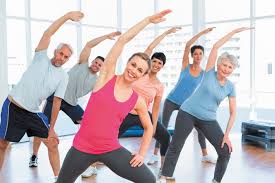
Senior Exercise and Fitness Tips

No matter your age, it’s never too late to get fit. These easy tips will help you get started safely and make it fun.

What are the benefits of exercise for older adults?

Lets see

There are many reasons why we tend to slow down and become more sedentary with age. It may be due to health problems, weight or pain issues, or worries about falling. Or perhaps you think that exercising simply isn’t for you. But as you grow older, an active lifestyle becomes more important than ever to your health.

A recent Swedish study found that physical activity was the number one contributor to longevity, adding extra years to your life—even if you don’t start exercising until your senior years. But getting active is not just about adding years to your life, it’s about adding life to your years.Getting moving can help boost your energy, maintain your independence, protect your heart, and manage symptoms of illness or pain as well as your weight. Regular exercise is also good for your mind, mood, and memory.

How to make exercise a habit that sticks ?

There’s a reason so many New Year’s resolutions to get in shape crash and burn before February rolls around. And it’s not that you simply don’t have what it takes. Science shows us that there’s a right way to build habits that last. Follow these steps to make exercise one of them.

Start small and build momentum

A goal of exercising for 30 minutes a day, 5 times a week may sound good. But how likely are you to follow through? The more ambitious your goal, the more likely you are to fail, feel bad about it, and give up. It’s better to start with easy exercise goals you know you can achieve. As you meet them, you’ll build self-confidence and momentum. Then you can move on to more challenging goals.

Make it automatic with triggers

Triggers are one of the secrets to success when it comes to forming an exercise habit. In fact, research shows that the most consistent exercisers rely on them. Triggers are simply reminders—a time of day, place, or cue—that kick off an automatic reaction. They put your routine on autopilot, so there’s nothing to think about or decide on. The alarm clock goes off and you’re out the door for your walk. You leave work for the day and head straight to the gym. You spot your sneakers right by the bed and you’re up and running. Find ways to build them into your day to make exercise a no-brainer.

Reward yourself

People who exercise regularly tend to do so because of the rewards it brings to their lives, such as more energy, better sleep, and a greater sense of well-being. However, these tend to be long-term rewards. When you’re starting an exercise program, it’s important to give yourself immediate rewards when you successfully complete a workout or reach a new fitness goal. Choose something you look forward to, but don’t allow yourself to do until after exercise. It can be something as simple as having a hot bath or a favorite cup of coffee.

Choose activities that make you feel happy and confident

If your workout is unpleasant or makes you feel clumsy or inept, you’re unlikely to stick with it. Don’t choose activities like running or lifting weights at the gym just because you think that’s what you should do. Instead, pick activities that fit your lifestyle, abilities, and taste.

Set yourself up for success

Schedule it. You don’t attend meetings and appointments spontaneously, you schedule them. If you’re having trouble fitting exercise into your schedule, consider it an important appointment with yourself and mark it on your daily agenda.

Make it easy on yourself. Plan your workouts for the time of day when you’re most awake and energetic. If you’re not a morning person, for example, don’t undermine yourself by planning to exercise before work.

Remove obstacles. Plan ahead for anything that might get in the way of exercising. Do you tend to run out of time in the morning? Get your workout clothes out the night before so you’re ready to go as soon as you get up. Do you skip your evening workout if you go home first? Keep a gym bag in the car, so you can head out straight from work.

Hold yourself accountable. Commit to another person. If you’ve got a workout partner waiting, you’re less likely to skip out. Or ask a friend or family member to check in on your progress. Announcing your goals to your social group (either online or in person) can also help keep you on track.

Share our site to your family and friends!

Health issues?

Get medical clearness first. If you have health concerns such as heart disease, asthma, diabetes, or high blood pressure, talk with your doctor before you start to exercise.

Warm up. Warm up with dynamic stretches—active movements that warm and flex the muscles you’ll be using, such as leg kicks, walking lunges, or arm swings—and by doing a slower, easier version of the upcoming exercise. For example, if you’re going to run, warm up with walking. Or if you’re lifting weights, begin with a few light reps.

Cool down. After your workout, it’s important to take a few minutes to cool down and allow your heart rate to return to its resting rate. A light jog or walk after a run, for example, or some gentle stretches after strength exercises can also help prevent soreness and injuries.

Drink plenty of water. Your body performs best when it’s properly hydrated. Failing to drink enough water when you are exerting yourself over a prolonged period of time, especially in hot conditions, can be dangerous.

Listen to your body. If you feel pain or discomfort while working out, stop! If you feel better after a brief rest, you can slowly and gently resume your workout. But don’t try to power through pain. That’s a surefire recipe for injury.

How much exercise do you need?

The key thing to remember about starting an exercise program is that something is always better than nothing. Going for a quick walk is better than sitting on the couch; one minute of activity will help you lose more weight than no activity at all. That said, the current recommendations for most adults is to reach at least 150 minutes of moderate activity per week. You’ll get there by exercising for 30 minutes, 5 times a week. Can’t find 30 minutes in your busy schedule? It’s okay to break things up. Two 15-minute workouts or three 10-minute workouts can be just as effective.

How hard do I need to exercise?

Whether an activity is low, moderate, or vigorous intensity varies according to your personal fitness level. As a general guideline, though:

  • Low-intensity activity: You can easily talk in full sentences, or sing.
  • Moderate intensity: You can speak in full sentences, but not sing.
  • Vigorous intensity: You are too breathless to speak in full sentences.

For most people, aiming for moderate intensity exercise is sufficient to improve your overall health. You should breathe a little heavier than normal, but not be out of breath. Your body should feel warmer as you move, but not overheated or sweating profusely. While everyone is different, don’t assume that training for a marathon is better than training for a 5K or 10K. There’s no need to over do it.For more on the types of exercise you should include and how hard you should work out, read What are the Best Exercises for Me?

Busting the biggest exercise excuses now

  • Making excuses for not exercising? Whether it’s lack of time or energy, or fear of the gym, there are solutions. “I hate exercising.” Many of us feel the same. If sweating in a gym or pounding a treadmill isn’t your idea of a great time, try to find an activity that you do enjoy—such as dancing—or pair physical activity with something more enjoyable. Take a walk at lunchtime through a scenic park, for example, walk laps of an air-conditioned mall while window shopping, walk, run, or bike with a friend, or listen to your favorite music while you move.

“I’m too busy.” Even the busiest of us can find free time in our day for activities that are important. It’s your decision to make exercise a priority. And don’t think you need a full hour for a good workout. Short 5-, 10-, or 15-minute bursts of activity can prove very effective—so, too, can squeezing all your exercise into a couple of sessions over the weekend. If you’re too busy during the week, get up and get moving during the weekend when you have more time. “I’m too tired.” It may sound counterintuitive, but physical activity is a powerful pick-me-up that actually reduces fatigue and boosts energy levels in the long run. With regular exercise, you’ll feel much more energized, refreshed, and alert at all times.

How to Start Exercising and Stick to It?

Making exercise an enjoyable part of your everyday life may be easier than you think. These tips can show you how.

If you’re having trouble beginning an exercise plan or following through, you’re not alone. Many of us struggle getting out of the sedentary rut, despite our best intentions.You already know there are many great reasons to exercise—from improving energy, mood, sleep, and health to reducing anxiety, stress, and depression. And detailed exercise instructions and workout plans are just a click away. But if knowing how and why to exercise was enough, we’d all be in shape. Making exercise a habit takes more you need the right mindset and a smart approach.While practical concerns like a busy schedule or poor health can make exercise more challenging, for most of us, the biggest barriers are mental. Maybe it’s a lack of self-confidence that keeps you from taking positive steps, or your motivation quickly flames out, or you get easily discouraged and give up. We’ve all been there at some point.Whatever your age or fitness level even if you’ve never exercised a day in your life there are steps you can take to make exercise less intimidating and painful and more fun and instinctive.Ditch the all-or-nothing attitude. You don’t have to spend hours in a gym or force yourself into monotonous or painful activities you hate to experience the physical and emotional benefits of exercise. A little exercise is better than nothing. In fact, adding just modest amounts of physical activity to your weekly routine can have a profound effect on your mental and emotional health.Be kind to yourself. Research shows that self-compassion increases the likelihood that you’ll succeed in any given endeavor. So, don’t beat yourself up about your body, your current fitness level, or your supposed lack of willpower. All that will do is demotivate you. Instead, look at your past mistakes and unhealthy choices as opportunities to learn and grow.Check your expectations. You didn’t get out of shape overnight, and you’re not going to instantly transform your body either. Expecting too much, too soon only leads to frustration. Try not to be discouraged by what you can’t accomplish or how far you have to go to reach your fitness goals. Instead of obsessing over results, focus on consistency. While the improvements in mood and energy levels may happen quickly, the physical payoff will come in time.

Exercise and depression!

Studies show that exercise can treat mild to moderate depression as effectively as antidepressant medication—but without the side-effects, of course. As one example, a recent study done by the Harvard T.H. Chan School of Public Health found that running for 15 minutes a day or walking for an hour reduces the risk of major depression by 26%. In addition to relieving depression symptoms, research also shows that maintaining an exercise schedule can prevent you from relapsing.Exercise is a power powerful deppression fighter